
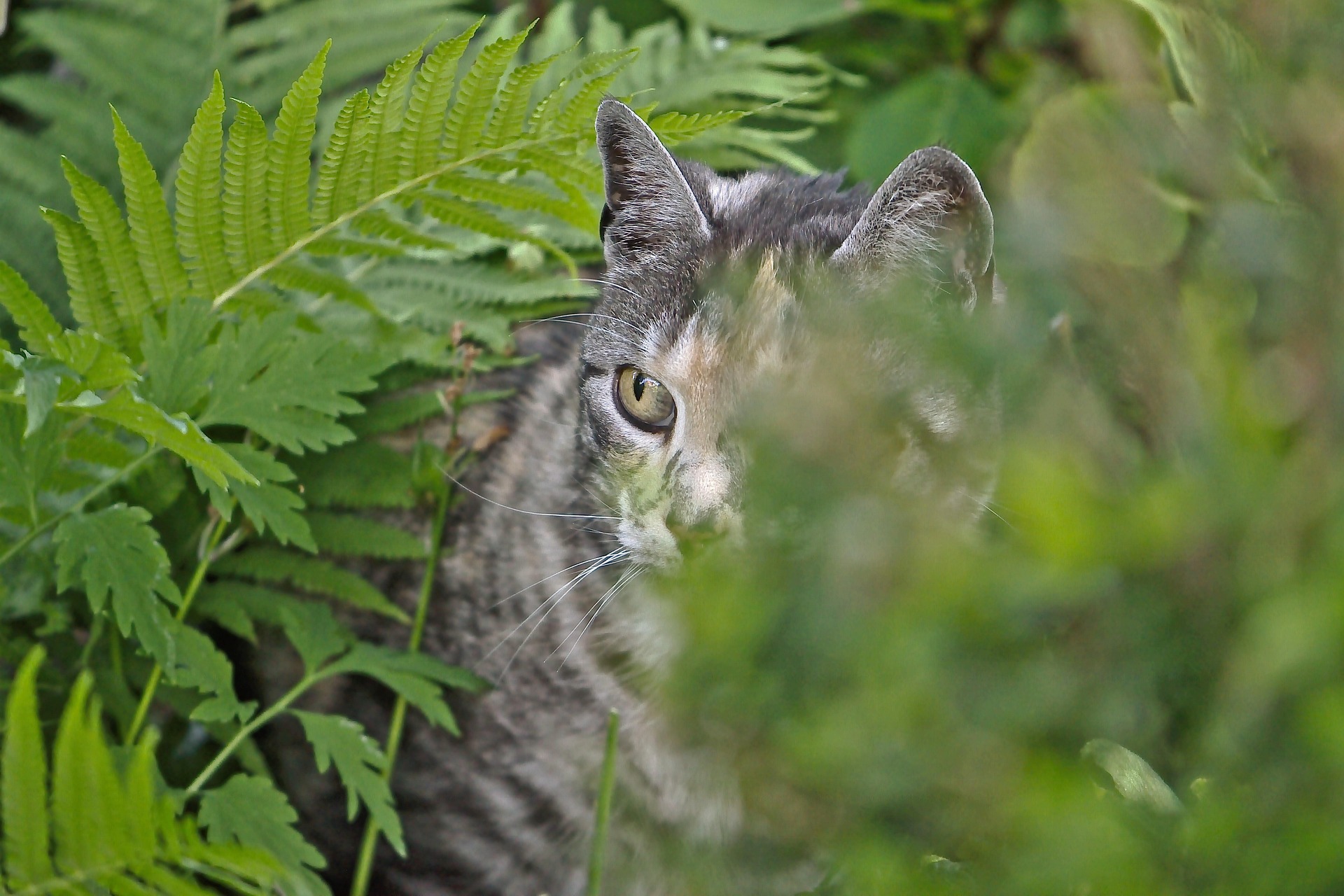
Let us be unequivocal: The domestic cat is not a cherished pet in Australia; it is an ecological weapon, and its presence amounts to a national biodiversity catastrophe. The numbers are not merely statistics—they are an indictment of our inaction.
Each year, pet cats brutally kill an estimated 323 million native Australian birds, mammals, reptiles, and amphibians. This carnage makes domestic cats the single leading contributor to the extinction of 34 native mammal species since 1788. There is no denying the devastating truth: cats are one of the most destructive environmental pests Australia has ever known, and any continued tolerance is an act of environmental negligence.
To halt this unparalleled biodiversity annihilation, we must cease managing the problem and commit to its definitive elimination. The time for ineffective compromises is over.
The Only Viable Solution: A Phased Eradication Mandate
I propose a necessary, non-negotiable plan for the phased elimination of pet cat ownership, targeting zero domestic cat ownership by 2050. This strategy is not cruel; it is essential to the survival of our unique native wildlife.
- Immediate Regulatory Lock-Down (2030) Effective January 1, 2030, cat ownership will be strictly grandfathered. All existing cats must be legally compliant—microchipped and desexed. This creates the essential framework for enforcement: any non-compliant, unchipped cat captured by local councils after this date must be immediately and humanely destroyed.
- Zero-Tolerance Roaming Ban (2035) By 2035, the act of allowing a cat to roam must be designated a serious offense. This law must mandate the use of secure outdoor enclosures (catios). Any pet cat caught outside its owner’s property will result in the owner facing a large, punitive infringement fine. A third infringement must result in the permanent seizure and destruction of the pet cat. This will finally hold owners fully accountable for the damage their animals inflict.
Implementing this decisive plan will first sterilise the breeding stock and clear our urban environments of predators. Crucially, it will then free up essential State and Local Government resources to focus on the strategic, large-scale eradication of feral cats from our broader landscape.
We have a moral obligation to protect the species that exist nowhere else on Earth. We must sacrifice the convenience of pet ownership to save our native fauna.
Image by Helga Kattinger from Pixabay
Leave a Reply